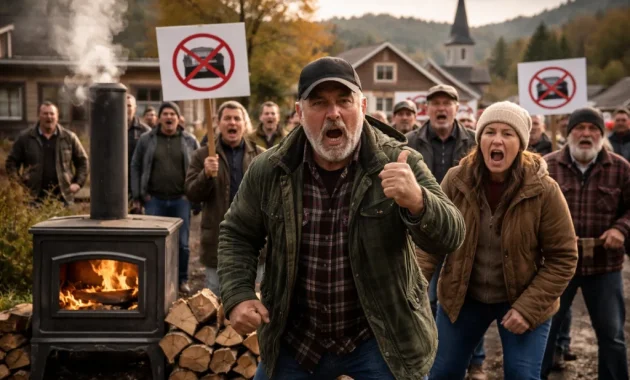
The air is crisp and still, the only sound the crunch of frost-bitten grass underfoot. The familiar plumes of wood smoke that once drifted over the village have vanished, replaced by an eerie silence. This is the new normal in a town where the traditional wood stove has been outlawed in the name of cleaner air.
For generations, the wood-fired hearth has been the heart of rural communities, providing warmth, sustenance, and a deep connection to the land. But now, as environmental regulations tighten, these age-old practices are coming under scrutiny, pitting public health concerns against the preservation of cultural identity and personal autonomy.
The decision to ban wood stoves has stirred up a firestorm of controversy, with angry residents feeling that their way of life is under attack. The question at the heart of this debate is whether the pursuit of cleaner air is worth the price of sacrificing cherished traditions and the right of individuals to choose how they heat their homes.
A Clash of Priorities: Public Health vs. Rural Livelihoods
The town’s decision to ban wood stoves was driven by growing concerns over air quality and the health impacts of particulate matter emissions. Proponents of the ban argue that the environmental and public health benefits far outweigh the cultural and personal costs.
“Wood smoke is a major contributor to fine particulate matter, which can have serious consequences for respiratory and cardiovascular health,” explains Dr. Emily Wilkins, a public health researcher. “Eliminating these pollutants is a crucial step in protecting the well-being of the entire community.”
However, for many rural residents, the wood stove is more than just a heating source – it’s a way of life. The ability to harvest and burn their own timber is deeply tied to their sense of identity, self-reliance, and connection to the land.
The Emotional Toll of Losing a Cultural Tradition
The ban on wood stoves has struck a deep emotional chord within the community, with many residents feeling that their way of life is under threat. “This isn’t just about heating our homes,” says local farmer, Sarah Johnson. “It’s about our heritage, our traditions, and our right to make choices that align with our values.”
The loss of the wood stove represents more than just a practical change – it’s a symbolic severing of the community’s roots. “When the smoke stops rising from the chimneys, it’s like a part of our history is being erased,” laments longtime resident, Michael Olson.
For many, the wood stove represents a connection to the land, a self-sufficient way of life, and a sense of community that is now under threat. The emotional toll of this loss is palpable, as residents grapple with the feeling that their autonomy and cultural identity are being stripped away.
The Search for a Sustainable Solution
As the debate rages on, both sides are searching for a workable compromise that balances public health concerns with the preservation of rural culture and autonomy. Some are exploring the use of cleaner-burning stove models or alternative heating sources, while others are advocating for more lenient regulations that take into account the unique needs and traditions of the community.
“It’s not an easy solution, but we have to find a way to move forward that respects both the environmental and the cultural considerations,” says local councilor, Olivia Harding. “It’s about finding a middle ground where we can have clean air without sacrificing the core of our community.”
Experts suggest that a collaborative approach, involving residents, policymakers, and environmental advocates, may be the key to finding a sustainable solution. This could include incentives for upgrading to cleaner stoves, educational campaigns, and the exploration of alternative heating methods that align with the community’s values and needs.
The Ripple Effects of the Wood Stove Ban
The implications of the wood stove ban extend far beyond the individual homes and families affected. The economic and social fabric of the community is also being reshaped, as small businesses and artisans who rely on wood-fired crafts and trades face an uncertain future.
“This isn’t just about heating our homes – it’s about our livelihoods, our local economy, and the way we’ve always done things,” says local woodworker, Sarah Bergman. “We’re not just losing our stoves; we’re losing a piece of who we are.”
The reverberations of this decision are also being felt in the local environment, as residents grapple with the impact of transitioning to alternative heating sources, such as fossil fuels or electric heat. The long-term sustainability of these new systems is a concern, as the community weighs the trade-offs between environmental impact and personal autonomy.
A Future in the Balance: Navigating the Path Forward
As the debate over the wood stove ban continues, the community finds itself at a crossroads, forced to confront the complex interplay of public health, environmental concerns, and the preservation of rural culture and identity.
The road ahead is uncertain, but the stakes are high. The outcome of this battle will not only shape the future of this town but also serve as a blueprint for other communities facing similar challenges. The search for a sustainable solution that respects both the environment and the autonomy of rural residents has become a pressing concern, one that will require creativity, compromise, and a willingness to listen to all sides.
In the end, the true test will be whether the pursuit of cleaner air can be reconciled with the deep-rooted traditions and values that define the character of this rural community. The future hangs in the balance, and the decisions made today will echo for generations to come.
| Emissions from Wood Stoves | Impacts on Public Health |
|---|---|
| Fine particulate matter (PM2.5): 15-30 grams per hour | Increased risk of respiratory and cardiovascular disease |
| Carbon monoxide: 50-150 grams per hour | Reduced lung function and increased risk of heart attacks |
| Volatile organic compounds: 1-5 grams per hour | Potential carcinogenic effects and increased risk of cancer |
“Wood smoke is a major contributor to fine particulate matter, which can have serious consequences for respiratory and cardiovascular health. Eliminating these pollutants is a crucial step in protecting the well-being of the entire community.”
Dr. Emily Wilkins, Public Health Researcher
“This isn’t just about heating our homes – it’s about our heritage, our traditions, and our right to make choices that align with our values. When the smoke stops rising from the chimneys, it’s like a part of our history is being erased.”
Michael Olson, Longtime Resident
“It’s not an easy solution, but we have to find a way to move forward that respects both the environmental and the cultural considerations. It’s about finding a middle ground where we can have clean air without sacrificing the core of our community.”
Olivia Harding, Local Councilor
The pursuit of clean air and the preservation of rural culture and autonomy is a delicate balance, one that will require creativity, compromise, and a willingness to listen to all stakeholders. The decisions made in this community will not only shape its own future but also serve as a blueprint for other regions facing similar challenges.
What are the main sources of air pollution from wood stoves?
The primary pollutants from wood stoves are fine particulate matter (PM2.5), carbon monoxide, and volatile organic compounds. These emissions can have significant impacts on public health, contributing to respiratory and cardiovascular issues.
How do the emissions from wood stoves compare to other heating sources?
Wood stoves generally produce higher levels of particulate matter and other pollutants compared to modern, energy-efficient heating systems like heat pumps or high-efficiency furnaces. However, the exact emissions can vary depending on the specific stove model, fuel type, and operating conditions.
What are some potential solutions to address the air quality concerns while preserving rural culture?
Possible solutions include incentives for upgrading to cleaner-burning stove models, educational campaigns on proper wood stove operation and maintenance, exploring alternative heating sources that align with the community’s values, and developing collaborative approaches that involve all stakeholders.
How have other communities addressed similar conflicts between public health and cultural preservation?
Other communities have grappled with similar challenges, often finding creative ways to balance environmental concerns with the preservation of local traditions and autonomy. Examples may include flexible regulations, subsidies for clean heating upgrades, and community-driven initiatives to develop sustainable solutions.
What are the potential economic impacts of a wood stove ban on rural communities?
A wood stove ban can have far-reaching economic consequences, affecting small businesses, artisans, and local industries that rely on wood-fired processes. Transitioning to alternative heating sources may also incur significant costs for individual households, potentially exacerbating financial burdens in rural areas.
How can policymakers and residents work together to find a mutually acceptable solution?
Collaboration and open dialogue between policymakers, residents, and environmental advocates are crucial to finding a sustainable solution. This may involve forming task forces, conducting community workshops, and exploring compromise approaches that address both public health and cultural preservation concerns.
What are the long-term environmental implications of transitioning away from wood stoves?
The environmental impact of moving away from wood stoves depends on the alternative heating sources adopted. Transitioning to fossil fuels or other high-emission systems could have negative consequences, while a shift to renewable, low-emission options like heat pumps or efficient electric heating may provide a more sustainable solution.
How can the lessons from this community’s experience inform other regions facing similar challenges?
The outcome of this debate and the process of finding a balanced solution can serve as a blueprint for other communities grappling with the tension between public health, environmental regulations, and the preservation of rural culture and autonomy. Sharing best practices and lessons learned can help guide other regions in navigating these complex issues.