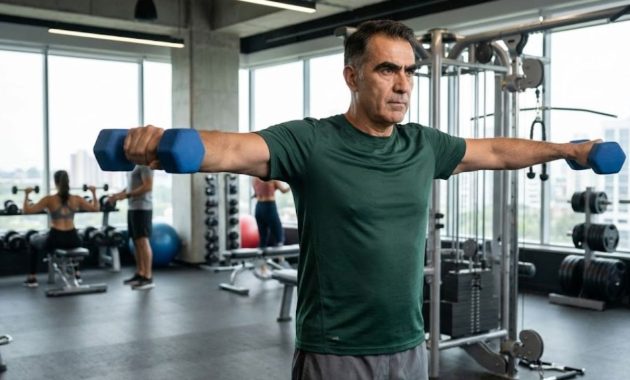
Imagine being in your 70s and still having the vigor and strength to go about your daily activities with ease. This is the reality for a 72-year-old who has found the secret to building strength, balance, and long-term mobility through a set of daily exercises. While most people may think that age comes with limitations, this individual proves that with dedication and the right routine, age is just a number. Let’s dive into the daily exercises that are helping this 72-year-old stay fit and active.
The Importance of Strength, Balance, and Mobility
Strength, balance, and mobility are crucial aspects of overall health, especially as we age. Strength exercises help maintain muscle mass and bone density, reducing the risk of falls and fractures. Balance exercises improve stability and coordination, while mobility exercises enhance flexibility and range of motion, making daily tasks easier and reducing the likelihood of injury.
| Strength | Balance | Mobility |
|---|---|---|
| Improves muscle mass and bone density | Enhances stability and coordination | Increases flexibility and range of motion |
Exercise Regimen of the 72-Year-Old
The 72-year-old individual follows a well-rounded exercise routine that focuses on different aspects of fitness. Each exercise is carefully chosen to target specific muscle groups and improve overall functional abilities. Let’s explore the daily exercises that have become the cornerstone of their fitness regimen.

1. Tip-Toe Farmer’s Walk
The Tip-Toe Farmer’s Walk is a challenging yet effective exercise that targets calf strength and balance. By walking on your tiptoes while holding weights, you engage the calf muscles and improve ankle stability. This exercise not only strengthens the lower body but also enhances proprioception, which is vital for maintaining balance and preventing falls.
2. Prisoner Squats
Prisoner squats are an excellent way to improve mobility and posture. By placing your hands behind your head and performing squats, you engage the quadriceps, hamstrings, and glutes. This functional movement helps maintain lower body strength and enhances the ability to perform daily activities such as sitting and standing with ease.
| Exercise | Target Muscle Groups | Benefits |
|---|---|---|
| Tip-Toe Farmer’s Walk | Calf muscles, ankles | Improved balance and ankle stability |
| Prisoner Squats | Quadriceps, hamstrings, glutes | Enhanced mobility and posture |
3. Seated Leg Raises
Seated leg raises are perfect for strengthening the core and improving hip flexibility. By sitting on a chair and lifting your legs one at a time, you engage the abdominal muscles and hip flexors. This exercise is beneficial for maintaining balance, strengthening the lower back, and preventing hip-related issues.

4. Chair Yoga
Chair yoga is a gentle form of exercise that focuses on breathing and gentle movements to promote flexibility and relaxation. This practice helps improve joint mobility, reduce stress, and enhance overall well-being. Chair yoga is accessible to individuals of all ages and fitness levels, making it a great addition to any daily routine.
5. Resistance Band Rows
Resistance band rows are an effective way to strengthen the upper back and improve posture. By using a resistance band attached to a stable surface, you can perform rowing motions that engage the muscles of the upper back and shoulders. This exercise helps counteract the effects of poor posture and sitting for extended periods, promoting better spinal alignment and reducing the risk of back pain.
The Journey to Long-Term Health and Wellness
It’s inspiring to see how a 72-year-old individual is actively investing in their health and well-being through a consistent exercise routine. By incorporating strength, balance, and mobility exercises into their daily life, they are setting themselves up for long-term health and independence. These exercises not only benefit physical health but also contribute to mental well-being and overall quality of life.

Frequently Asked Questions
Q: Can anyone in their 70s start a fitness routine like this?
A: It’s essential to consult with a healthcare provider before starting any new exercise regimen, especially for individuals over 70, to ensure safety and suitability.
Q: How often should these exercises be performed?
A: Consistency is key. Aim to perform these exercises at least 3-4 times a week to see improvements in strength, balance, and mobility.
Q: Are modifications needed for individuals with mobility issues?
A: Yes, modifications can be made to cater to individual needs. Working with a qualified fitness professional can help tailor exercises to specific requirements.

Q: Is it ever too late to start exercising for older adults?
A: It’s never too late to start exercising. Even small movements and activities can contribute to improved health and well-being at any age.
Q: How do these exercises benefit overall quality of life
A: By improving strength, balance, and mobility, these exercises help individuals stay independent, active, and engaged in daily activities, enhancing their overall quality of life.
Q: Can these exercises prevent falls in older adults?
A: Yes, strength and balance exercises can reduce the risk of falls by improving muscle strength, coordination, and stability, making older adults more resilient to slips and trips.

Q: How important is it to warm up before performing these exercises?
A: Warming up is crucial to prepare the muscles and joints for physical activity, reducing the risk of injury. A gentle warm-up routine can help optimize the benefits of the exercises.
Q: What other factors contribute to healthy aging besides exercise?
A: Along with regular exercise, maintaining a balanced diet, staying hydrated, getting enough sleep, and socializing are essential factors in promoting healthy aging and overall well-being.