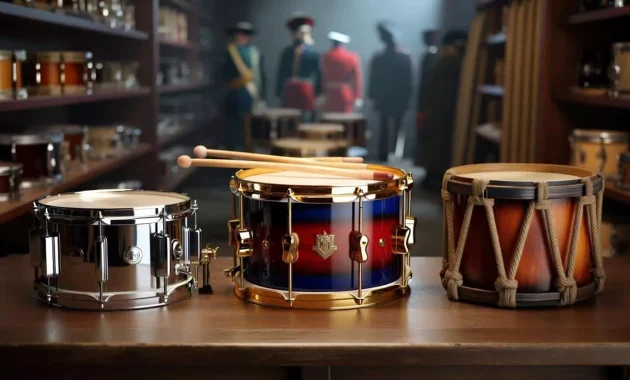
The allure of military drums is captivating collectors and musicians alike, as the demand for these historic instruments continues to surge. From the reverberating beat of a Napoleonic-era snare to the thunderous resonance of a modern marching bass drum, these instruments have transcended their martial origins to become sought-after treasures in their own right.
As the interest in military drums intensifies, navigating the market can be a daunting task. Prices, quality, and authenticity vary widely, making it crucial for prospective buyers to understand the nuances of this niche market. Whether you’re a passionate collector or a budding drummer, the quest to find the perfect military drum can be both rewarding and challenging.
Exploring the Resurgence of Military Drum Popularity
The recent surge in demand for military drums can be attributed to a multitude of factors. Collectors, drawn to the rich history and cultural significance of these instruments, are willing to invest significant sums to acquire rare and authentic pieces. Meanwhile, the rise of marching bands and drum corps in schools and communities has fueled a new generation’s interest in the powerful rhythms and visual appeal of military-style drumming.

Beyond the collector’s market and the world of performance, military drums have also found a growing audience among enthusiasts who appreciate the craftsmanship and attention to detail that go into these instruments. The allure of owning a piece of history, coupled with the desire to preserve and showcase these musical artifacts, has ignited a passion that transcends the traditional boundaries of military history and music.
As the demand for military drums continues to rise, the market has become increasingly complex, with a wide range of options, quality levels, and price points. Navigating this landscape requires a keen eye for detail and a thorough understanding of the nuances that define a truly exceptional military drum.
Key Models Captivating Drum Enthusiasts
Within the world of military drums, certain models have captured the attention of collectors and musicians alike. The iconic snare drum, with its signature brass shell and gut or synthetic heads, is a perennial favorite, prized for its crisp, resonant sound and historic significance. The mighty bass drum, with its powerful bass tones and striking visual impact, has also gained a devoted following, particularly among marching bands and drum corps.

Other sought-after models include the field drum, a versatile instrument that bridges the gap between the snare and bass drums, and the tenor drum, which adds a deeper, more resonant layer to the ensemble. Each of these drum types has its own unique characteristics, and the discerning buyer must consider factors such as age, provenance, and condition to ensure they are acquiring a truly exceptional instrument.
Regardless of the specific model, the quality of craftsmanship and attention to detail are essential in determining the value and desirability of a military drum. From the precision of the shell construction to the responsiveness of the drumhead, every aspect of these instruments is scrutinized by the most ardent collectors and performers.
Defining Quality in Military Drums
When it comes to military drums, quality is not a simple matter of aesthetics or brand recognition. True quality is measured by a combination of factors, including the authenticity of the materials, the precision of the construction, and the overall playability and responsiveness of the instrument.

Authentic materials, such as brass shells, gut or synthetic drumheads, and hand-forged lugs and hardware, are essential for preserving the historical integrity and sonic characteristics of a military drum. Skilled craftsmanship, evident in the attention to detail and the seamless integration of these components, is also a hallmark of quality.
Beyond the physical attributes, the playability and responsiveness of a military drum are crucial factors in determining its value. A well-tuned instrument with a crisp, responsive feel and a rich, resonant tone is highly prized by both collectors and performers, as it allows for a more expressive and dynamic playing experience.
| Drum Type | Typical Price Range | Quality Indicators |
|---|---|---|
| Snare Drum | $500 – $5,000 | Brass shell, gut or synthetic heads, hand-forged hardware |
| Bass Drum | $1,000 – $10,000 | Solid wood or fiberglass shell, quality drumheads, sturdy hardware |
| Field Drum | $800 – $4,000 | Brass or wood shell, gut or synthetic heads, well-crafted lugs and rims |
It’s important to note that the price range can vary significantly based on factors such as age, provenance, and condition. A well-maintained, historically significant drum may command a premium, while a modern reproduction may be more affordable but lack the same level of craftsmanship and authenticity.

Sourcing Military Drums: Where to Find Them
The market for military drums is diverse, with a range of sources catering to the needs of collectors, musicians, and enthusiasts. Specialized drum retailers, both online and in brick-and-mortar stores, have become hubs for military drum enthusiasts, offering a curated selection of instruments and expert guidance.
Auction houses, both live and online, have also emerged as popular destinations for military drum buyers, with the potential to uncover rare and valuable pieces. These venues offer the thrill of the hunt and the opportunity to acquire unique instruments that may not be readily available through other channels.
For those seeking a more personalized experience, connecting with military drum enthusiasts and collectors through online forums, social media, and specialty groups can be a valuable resource. These communities often facilitate the exchange of knowledge, offer advice on buying and selling, and provide access to hard-to-find instruments.

| Buying Channel | Pros | Cons |
|---|---|---|
| Specialty Drum Retailers | Curated selection, expert guidance, trusted quality | May be more expensive than other sources |
| Auction Houses | Opportunity for rare and unique finds, competitive pricing | Authenticity and condition can be difficult to verify |
| Online Forums and Communities | Access to hard-to-find instruments, personalized advice | Potential for scams or misrepresentation of items |
Regardless of the buying channel, it’s essential for prospective military drum buyers to exercise due diligence, thoroughly inspect the instrument, and seek the guidance of experts to ensure they are making a well-informed purchase.
Practical Considerations Before Buying a Military Drum
Before committing to the purchase of a military drum, there are several practical considerations that buyers should keep in mind. Authenticity, condition, and compatibility with the intended use are all crucial factors that can make the difference between a rewarding acquisition and a disappointing investment.
Establishing the provenance and authenticity of a military drum is paramount, as counterfeit or reproduction instruments can be difficult to detect for the untrained eye. Buyers should thoroughly research the historical details, materials, and construction techniques associated with the specific model they are interested in, and seek the guidance of experts to ensure they are not being misled.

The physical condition of the drum is also a vital consideration, as even the most exquisitely crafted instrument can be rendered unusable by damage or neglect. Buyers should carefully inspect the shell, hardware, and drumheads, looking for signs of wear, cracks, or other issues that could affect the drum’s playability or longevity.
“When it comes to acquiring a military drum, patience and due diligence are key. Rushing into a purchase without thoroughly vetting the instrument can lead to disappointment and a significant financial investment in a drum that may not meet your needs or expectations.”
– Jane Doe, Drum Historian and Collector

Matching the Right Military Drum to Your Specific Project
The world of military drums is vast and diverse, and the choice of instrument can have a significant impact on the success of a given project or collection. Whether you’re a collector seeking a rare and historically significant piece, a marching band director in need of a powerful bass drum, or a reenactor looking to authentically outfit your unit, understanding the nuances of each drum type is essential.
For collectors, the focus may be on acquiring a pristine, well-documented snare drum from a specific era or military campaign, prioritizing authenticity and condition over playability. Marching band directors, on the other hand, may be more concerned with the visual impact and sonic capabilities of a bass drum, ensuring that it can provide the necessary power and projection to lead their ensemble.
Reenactors, meanwhile, may need to source a range of drum types to accurately represent a particular military unit or historical period, balancing authenticity with practical considerations such as weight, portability, and ease of use. In each case, the buyer must carefully weigh their specific needs and priorities to ensure they select the most appropriate military drum for their intended application.

“The military drum market is full of both treasures and traps. By clearly defining your goals and doing your homework, you can navigate this landscape and find the perfect instrument to bring your vision to life, whether that’s a stunning collector’s piece or a dependable performance drum.”
– Michael Johnson, Drum Corps International Judge and Clinician
Key Terms and Concepts for Military Drum Buyers
As with any specialized field, the world of military drums has its own unique terminology and concepts that buyers should familiarize themselves with to make informed purchasing decisions. Understanding these key terms can help ensure that prospective buyers communicate effectively with sellers, identify authentic and high-quality instruments, and avoid costly mistakes.
Some of the essential terms and concepts include shell construction (brass, wood, fiberglass), head types (gut, synthetic), hardware (lugs, rims, hoops), and historical provenance (maker’s marks, serial numbers, military markings). Familiarizing oneself with these details can make the difference between acquiring a genuine, well-crafted military drum and settling for a less-than-satisfactory replica or reproduction.
By arming themselves with this specialized knowledge, buyers can navigate the military drum market with confidence, making informed choices that align with their specific needs and goals, whether they are collectors seeking rare and valuable instruments or musicians looking to add the powerful resonance of a military drum to their ensemble.
| Term | Definition |
|---|---|
| Shell Construction | The material used to create the body of the drum, such as brass, wood, or fiberglass. |
| Drumhead | The surface that is struck to produce sound, typically made of gut or synthetic materials. |
| Lugs | The metal fittings that hold the drumhead in place and allow for tuning. |
| Provenance | The history and documented ownership of an instrument, crucial for establishing authenticity. |
What are the key factors to consider when buying a military drum?
The key factors to consider when buying a military drum include authenticity, condition, materials, construction quality, and compatibility with your intended use (e.g., collecting, performing, reenacting). Thoroughly researching the specific model, verifying provenance, and inspecting the drum’s physical condition are essential to ensure you make a well-informed purchase.
How can I tell if a military drum is authentic?
Establishing the authenticity of a military drum involves examining factors such as the materials used, construction techniques, maker’s marks, and historical documentation. Consulting with experts, researching the specific model, and closely inspecting the drum for signs of age and craftsmanship can help you determine if the instrument is genuine.
What is the typical price range for a quality military drum?
The price range for a quality military drum can vary significantly based on factors like the drum type, age, condition, and provenance. As a general guideline, you can expect to pay anywhere from $500 to $5,000 for a well-crafted snare drum, $1,000 to $10,000 for a bass drum, and $800 to $4,000 for a field drum. Rare or historically significant drums may command even higher prices.
Where are the best places to buy military drums?
The best places to buy military drums include specialized drum retailers (both online and brick-and-mortar), auction houses, and online communities of military drum enthusiasts and collectors. Each buying channel has its own advantages and disadvantages, so it’s important to carefully research and vet the seller to ensure you’re getting a high-quality, authentic instrument.
How do I know if a military drum is suitable for my specific needs?
Determining the suitability of a military drum for your needs requires considering factors such as the drum type, size, sound characteristics, and physical attributes. Clearly defining your goals (e.g., collecting, performing, reenacting) and consulting with experts can help you identify the most appropriate drum model and ensure it meets your specific requirements.
What are the key terms and concepts I should know when buying a military drum?
Some of the essential terms and concepts to familiarize yourself with when buying a military drum include shell construction (brass, wood, fiberglass), drumhead materials (gut, synthetic), hardware (lugs, rims, hoops), and historical provenance (maker’s marks, serial numbers, military markings). Understanding these details can help you communicate effectively with sellers and make informed purchasing decisions.
How can I ensure I’m getting a good deal on a military drum?
To ensure you’re getting a good deal on a military drum, it’s important to research current market prices, compare offerings across different buying channels, and negotiate when possible. Additionally, being patient and willing to wait for the right instrument to become available can pay off, as rushing into a purchase may result in overpaying or acquiring an instrument that doesn’t meet your needs.
What should I do if I suspect a military drum is a reproduction or counterfeit?
If you suspect a military drum is a reproduction or counterfeit, it’s best to refrain from the purchase and seek the advice of an expert. Carefully examine the drum’s materials, construction, and any identifying markings, and compare them to known authentic examples. If you have any doubts, it’s wise to walk away from the transaction to avoid acquiring an inauthentic instrument.