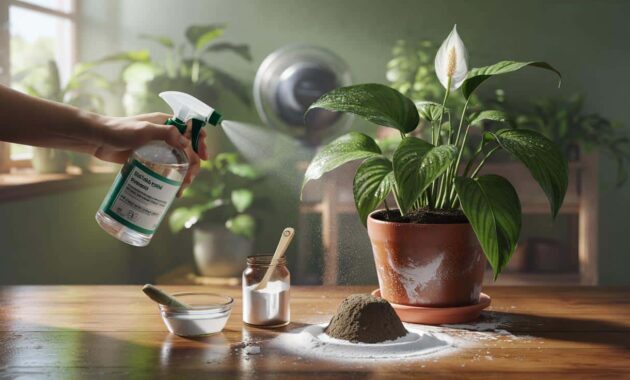
A simple kitchen staple can quietly tip the balance.
Used with restraint, baking soda can help keep leaves clean, pots fresh, and minor fungal issues in check. It won’t fix bad habits, yet it supports a healthier setup when ventilation and watering already make sense.
Why baking soda can help indoor plants
Baking soda is a mild alkaline salt. On leaf surfaces and pot rims, it nudges pH upward for a short time. Many common indoor molds and leaf-spot fungi prefer slightly acidic conditions. Raise the pH a touch, and their spread slows.
This is not a heavy-duty fungicide. Think of it as a preventive film that makes life harder for opportunistic fungi after a stretch of high humidity or overwatering. You may also notice fewer musty smells around pot rims and saucers.
It does not “soak up” excess water in the pot. It cannot reverse rot. What it can do is help manage surface mold on the substrate and keep leaves cleaner while you correct airflow, light, and watering.
Some growers also report a modest deterrent effect on a few soft-bodied pests. That is a side benefit at best. The core value lies in hygiene and in reducing fungal pressure indoors.
Think prevention, not cure. Pair baking soda with steady airflow, careful watering, and clean pots.
Three smart ways to use it at home
1. A gentle leaf spray
Mix a light solution: 1 level teaspoon of baking soda per liter of lukewarm water. Add one or two drops of mild liquid soap to help the solution spread thinly on leaves. Shake the spray bottle well.
Mist a fine film on top and bottom of leaves and along stems. Aim for a dewy coat, not runoff. Treat once a week for two or three weeks, then pause and reassess new growth.
Spray in the morning or late day, out of direct sun and away from hot grow lights. If you see pale deposits after a few days, wipe leaves gently with a damp cloth. On fuzzy foliage or very tender leaves, test one leaf and wait 24 to 48 hours before treating the whole plant.
➡️ It’s called the Stairway to Paradise and it’s Italy’s most captivating walk (even in November)
➡️ Spain opens in Casablanca the largest tuna canning plant built with national technology
➡️ Exiled in the US, Surya Bonaly, 52, hits out at France : “I no longer had my place there”
➡️ Soon a driving licence withdrawal for senior motorists after a certain age ?
➡️ Greenland crisis: Denmark tells officials to switch off Bluetooth over spying fears
Quick recipe: 1 tsp baking soda + 1 L water + 1–2 drops soap. Mist weekly for up to three weeks, then stop and observe.
2. A whisper-thin dusting on potting mix
For pots that smell stale or show a faint white fuzz on the surface, sprinkle a pinch of baking soda across the top layer. Keep it very light. Do not bury it into the mix. Leave it in place for a few days, then water and remove any visible excess.
Use this only as a stopgap while you improve airflow and adjust watering. Repeated dustings can raise sodium levels in the pot, which plants dislike. Avoid for acid-loving species and for mixes that already contain mineral salts.
3. Cleaning pots and accessories
Baking soda shines as a cleaner. Dissolve 1 tablespoon per liter of warm water. Scrub pot walls, saucers, labels, and stakes to remove algae, deposits, and soil traces. Rinse well and dry fully before replanting. This light reset cuts down on residues that can carry over to new plants.
Precautions that keep plants safe
- Start low. Raise dose only if you see no leaf spotting after a test.
- Patch test one leaf and wait 24–48 hours before full application.
- Spray when leaves are cool, not under hot lights or midday sun.
- Use soft or filtered water to reduce chalky deposits.
- Do not mix with acids like vinegar in the same treatment.
- Skip use during heat waves, drought stress, or right after repotting.
- For active insect outbreaks, choose a targeted method suited to indoor use.
Less is better. Improve airflow and watering first, then layer gentle baking soda use on top.
Quick reference
| Use | Ratio | Frequency | Notes |
|---|---|---|---|
| Leaf spray | 1 tsp per 1 L water + 1–2 drops mild soap | Weekly, 2–3 weeks, then pause | Avoid hot lights and direct sun; wipe residue if needed |
| Soil surface dusting | A small pinch across the top layer | Occasional only | Remove excess later; avoid for acid-loving plants |
| Cleaning pots | 1 tbsp per 1 L warm water | Between plantings | Scrub, rinse thoroughly, dry fully |
Beyond baking soda: habits that matter
Water only when the top centimeter of mix feels dry. Empty saucers so roots do not sit in puddles. Keep a small fan running on low for an hour or two in crowded plant corners. Refresh potting mix during repots, and brush dust off leaves with a damp cloth so they breathe better and photosynthesize more.
These basics lower humidity on leaf surfaces, reduce stale odors, and make fungal spread less likely. With those in place, a light baking soda routine does more with less.
When to skip baking soda
Avoid frequent use on plants that prefer acidic conditions, such as many ferns, calatheas, and African violets. Be cautious with plants that have fuzzy or very thin leaves. Also take care with plants that carry a powdery blue wax (the glaucous “bloom”) like some echeverias; sprays can mark that surface.
Seedlings and cuttings react faster to salts. For young plants, prioritize airflow, clean tools, and careful watering instead of additives.
Real-world scenarios
- Musty pothos in a dim hallway: Move it 1 meter closer to a window, run a fan on low for 60 minutes daily, and wipe leaves. Mist the mild baking soda spray once a week for two weeks. Trim any yellowing tips.
- Fine white fuzz on pot rims: Lift the plant, clean the pot with the baking soda wash, and repot with fresh mix if the roots look crowded. Dust a tiny pinch on the new surface once, then stop.
- Patchy leaf spots on a peace lily after heavy watering: Space waterings, increase light, and remove the worst leaves. Apply the gentle spray for two weeks, monitoring for new clean growth.
The science in plain words
Baking soda raises surface pH into a zone less comfortable for a range of fungi. That shift is temporary and local. It does not move inside tissues. Rain or a rinse removes it. The sodium part can build up in containers if used often, which is why restraint matters for potted plants with limited drainage volumes.
Some growers use potassium bicarbonate for edible crops because potassium benefits plants more than sodium. Indoors, stick with small, occasional uses and always trial on one leaf. If you want a stronger option, research products labeled for indoor ornamentals and match them to your specific issue.
For a fuller routine, pair three habits: consistent watering, regular leaf cleaning, and clean containers. Add a light baking soda step during humid spells or after a known slip in care. This small, measured move supports a calmer microclimate—and yes, it often smells fresher too.