
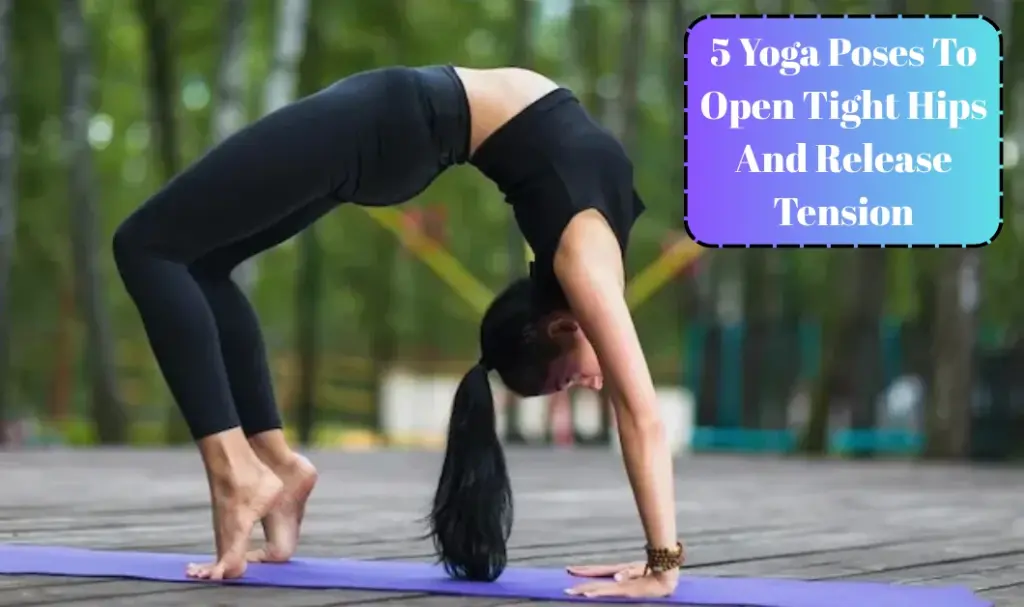
Tight hips are more common than most people realize. Long hours of sitting, stress, lack of movement, even intense workouts can all cause stiffness in the hip area. When the hips feel tight, it often shows up as lower back discomfort, poor posture, or that heavy feeling in your legs by the end of the day.
The good news is that you do not need complicated routines to loosen them. A few simple yoga poses, practiced consistently, can gently open the hips and release stored tension. The key is patience and steady breathing. Below are five effective yoga poses that help unlock tight hips and restore comfort.
Baddha Konasana
Baddha Konasana, often called Butterfly Pose, is one of the most accessible hip openers. Sit upright and bring the soles of your feet together. Let your knees gently fall toward the floor. Hold your feet with your hands and keep your spine tall.
You might feel a deep stretch in the inner thighs and groin area. That is where tightness tends to build up. Avoid forcing your knees down. Let gravity do the work slowly. Gentle breathing in this pose encourages the muscles to soften naturally. Even holding for one to two minutes can create noticeable relief.
Anjaneyasana
Anjaneyasana, or Low Lunge, targets the hip flexors which become tight from too much sitting. Start in a lunge position with one foot forward and the opposite knee resting on the ground. Gently push your hips forward while keeping your chest lifted.
This position stretches the front of the hip on the back leg. You might feel a strong sensation at first, but try to breathe deeply instead of pulling back immediately. Slow steady breaths help signal the body that it is safe to release tension. Repeat on both sides for balance.
Eka Pada Rajakapotasana
Eka Pada Rajakapotasana, commonly known as Pigeon Pose, is a deeper hip opener. Begin in a plank or downward dog position and bring one knee forward toward your wrist. Extend the other leg straight behind you and lower your hips gently.
Pigeon Pose works deeply into the outer hip and glute muscles. It can feel intense, especially if your hips are tight. Support yourself with a folded blanket under your hip if needed. Stay for several breaths and switch sides. This pose is excellent for releasing stored tension many people do not even realize they are holding.
Malasana
Malasana, or Yogic Squat, may look simple but it is powerful for hip mobility. Stand with your feet slightly wider than shoulder width. Lower your body into a deep squat, keeping your heels on the ground if possible. Bring your palms together at your chest and press your elbows gently against your inner knees.
This posture opens the hips while strengthening the lower body. It also encourages natural alignment in the ankles and knees. If keeping your heels down feels difficult, you can place a rolled towel under them for support.
Malasana is especially helpful for people who sit at desks all day. It counteracts stiffness and improves flexibility gradually.
Setu Bandhasana
Setu Bandhasana, or Bridge Pose, not only strengthens the back but also stretches the front hips. Lie on your back, bend your knees, and place your feet flat on the mat. Lift your hips upward while pressing firmly through your feet.
This gentle backbend stretches the hip flexors and front thighs while activating the glutes. When done with steady breathing, it encourages circulation around the pelvic area and helps reduce tightness. Lower slowly and repeat a few times for added benefit.
Why Hip Opening Matters
Tight hips do not just affect flexibility. They can influence posture, balance, and even mood. Many people carry emotional stress in the hips without realizing it. When you gently stretch and breathe through these poses, you may notice not only physical relief but mental calm as well.
Yoga works differently from aggressive stretching. Instead of pushing hard, it invites the body to open at its own pace. Deep breathing plays an important role in relaxing the muscles and encouraging release. With regular practice, movement becomes smoother and daily activities feel lighter.
Tips for Safe Practice
Always warm up slightly before practicing deep hip openers. A few minutes of light stretching or gentle movement prepares the joints.
Do not compare your flexibility with others. Every body is different and progress takes time.
If you feel sharp pain instead of a stretching sensation, ease out immediately. Discomfort is normal in tight areas, but pain is not.
Consistency matters more than intensity. Practicing these five poses three or four times a week can gradually improve hip mobility and reduce tension.
Final Thoughts
Opening tight hips does not require advanced skills. Simple poses like Baddha Konasana, Anjaneyasana, Eka Pada Rajakapotasana, Malasana, and Setu Bandhasana can create noticeable changes when practiced regularly.
Move slowly, breathe deeply, and allow your body to respond naturally. Over time, you may find that walking, sitting, and even standing feels easier. Releasing hip tension is not only about flexibility, it is about restoring comfort and balance in everyday life.