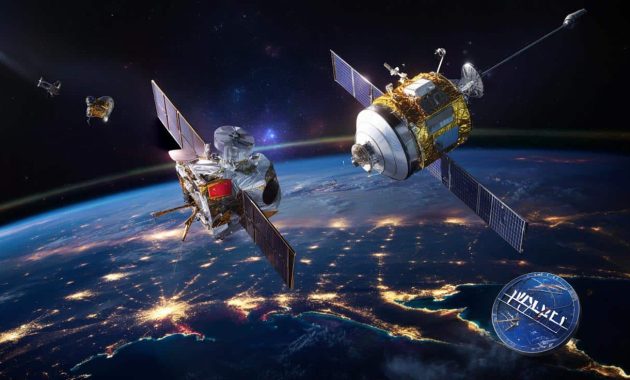
The skies above our planet have never been so crowded. As nations race to establish their presence in the increasingly competitive realm of space, the risk of catastrophic collisions between orbiting satellites has never been higher. But in a surprising move, China, a major space power, has taken an unprecedented step to avert such a disaster.
In a remarkable display of international cooperation, China recently reached out to NASA, the renowned U.S. space agency, to share information and coordinate efforts to avoid a potential satellite collision. This marked the first time the two space superpowers have worked together in such a manner, signaling a shift in the geopolitical landscape of space exploration.
The collision in question involved a Chinese satellite and a piece of discarded rocket debris, both hurtling through the void at breakneck speeds. With the stakes so high, both countries recognized the need to put aside their differences and prioritize the safety of their respective space assets.

A Historic Collaboration
The decision to collaborate on this issue was a watershed moment, as China and the United States have long been embroiled in a fierce rivalry for dominance in the final frontier. The two nations have often viewed each other with suspicion, jockeying for strategic advantage and technological superiority.
However, the threat posed by the imminent satellite collision forced a pragmatic shift in their approach. “This was a clear-eyed recognition that the potential consequences of a collision were simply too dire to ignore,” said Dr. Emily Chen, a leading space policy expert. “Both countries realized that in the face of such a crisis, cooperation was the only viable path forward.”
The collaboration was facilitated through a series of high-level discussions between Chinese and American officials, where they shared crucial data on the trajectories and orbits of the objects in question. This allowed the teams on both sides to work together to develop a coordinated plan of action to safely maneuver the satellite and debris away from each other.

Navigating the Challenges of Space Cooperation
The process of establishing this cooperative framework was not without its challenges. Decades of mistrust and geopolitical tensions had created a formidable barrier to open communication and information-sharing between the two space powers.
“There were undoubtedly concerns on both sides about the potential for sensitive technology or strategic information to be compromised,” explained Dr. Sarah Thompson, a space security analyst. “But in the end, the shared recognition of the gravity of the situation and the need to prioritize safety overrode those reservations.”
The successful collaboration required a delicate balance of trust-building, transparency, and a willingness to compromise. Both China and the United States had to be willing to set aside their differences and work towards a common goal, a feat that many had once thought impossible.

Implications for the Future of Space Governance
The successful resolution of this satellite collision crisis has far-reaching implications for the future of space governance and international cooperation. It demonstrates the potential for countries with competing interests to come together and address the shared challenges that threaten the sustainability of the space environment.
“This event sets an important precedent for how nations can work together to mitigate the growing risks posed by the proliferation of space assets,” said Dr. Michael Liang, a leading expert on space law and policy. “It shows that even in the face of geopolitical tensions, there are issues where cooperation is not only possible but essential for the greater good.”
As the number of satellites and other space objects continues to grow, the likelihood of similar collision events increases. The successful collaboration between China and the United States may pave the way for the development of more robust and inclusive frameworks for space traffic management and debris mitigation, ultimately benefiting all nations with a stake in the final frontier.

Towards a Shared Vision for Space Exploration
The historic cooperation between China and the United States on this satellite collision issue has the potential to catalyze a broader shift in the landscape of space exploration. By demonstrating the value of collaboration and the shared risks faced by all nations with a presence in space, this event could serve as a springboard for deeper cooperation in other areas of space activities.
Experts believe that this breakthrough could lead to more frequent exchanges of information, joint research projects, and even the possibility of shared missions and infrastructure development. Such a shift could have far-reaching implications for the pace and direction of space exploration, as nations work together to push the boundaries of human knowledge and achievement.
“This is a significant moment in the history of space exploration,” said Dr. Liang. “It shows that even the most entrenched rivals can find common ground when the stakes are high enough. The question now is whether this spirit of cooperation can be sustained and expanded to address the myriad challenges facing the space community.”

The Fragile Nature of the Final Frontier
The satellite collision crisis has also served as a stark reminder of the fragile nature of the space environment and the shared responsibility that all nations have in preserving it. As the number of space-faring nations and private companies continues to grow, the risk of accidents, conflicts, and unintended consequences increases exponentially.
Experts warn that the world must take proactive steps to establish robust governance frameworks, safety protocols, and sustainable practices to ensure the long-term viability of space exploration. This will require not only collaboration between nations but also a shift in mindset, where the shared interests of humanity take precedence over narrow national agendas.
“Space is a global commons, and what happens there affects us all,” said Dr. Chen. “This event is a wake-up call for the international community to come together and develop a comprehensive, inclusive, and forward-looking approach to space governance that protects the interests of all stakeholders, both now and in the future.”

A Turning Point in Space Diplomacy
The successful resolution of the satellite collision crisis between China and the United States marks a significant turning point in the complex and often contentious landscape of space diplomacy. By breaking down barriers and finding common ground, the two nations have set a powerful precedent for how space-faring powers can work together to address shared challenges.
This event has the potential to inspire a new era of space cooperation, where nations put aside their differences and focus on the collective benefits and responsibilities of exploring the final frontier. As the world watches the skies above with renewed interest and concern, the hope is that this collaboration will serve as a model for future interactions, paving the way for a more stable, sustainable, and peaceful space environment.
The implications of this historic cooperation extend far beyond the immediate crisis at hand. It represents a shift in the geopolitical landscape, a willingness to prioritize the greater good over individual interests, and a recognition that the challenges of space exploration are best addressed through unity, rather than division.

| Key Highlights | Details |
|---|---|
| Unprecedented Collaboration | China reached out to NASA to coordinate efforts and avoid a potential satellite collision, marking the first time the two space superpowers have worked together in this manner. |
| Overcoming Mistrust | The collaboration required overcoming decades of mistrust and geopolitical tensions, with both countries balancing concerns about sensitive information with the need for safety and cooperation. |
| Implications for Space Governance | The successful resolution sets an important precedent for how nations can work together to mitigate the growing risks posed by the proliferation of space assets, potentially leading to more robust and inclusive frameworks for space traffic management and debris mitigation. |
| Towards Deeper Cooperation | The collaboration could catalyze a broader shift in the landscape of space exploration, leading to more frequent exchanges of information, joint research projects, and even shared missions and infrastructure development. |
“This was a clear-eyed recognition that the potential consequences of a collision were simply too dire to ignore. Both countries realized that in the face of such a crisis, cooperation was the only viable path forward.”
Dr. Emily Chen, space policy expert
“There were undoubtedly concerns on both sides about the potential for sensitive technology or strategic information to be compromised. But in the end, the shared recognition of the gravity of the situation and the need to prioritize safety overrode those reservations.”
Dr. Sarah Thompson, space security analyst

“This event sets an important precedent for how nations can work together to mitigate the growing risks posed by the proliferation of space assets. It shows that even in the face of geopolitical tensions, there are issues where cooperation is not only possible but essential for the greater good.”
Dr. Michael Liang, space law and policy expert
As the world’s gaze turns skyward, the successful collaboration between China and the United States on the satellite collision crisis has demonstrated the power of international cooperation in the face of shared challenges. This historic event has the potential to reshape the future of space exploration, ushering in a new era of diplomacy, shared responsibility, and a collective vision for the final frontier.
What is the significance of China and NASA’s collaboration to avoid a satellite collision?
This collaboration marks the first time China and the United States, two major space powers, have worked together to address a potential satellite collision. It sets an important precedent for how nations can cooperate to mitigate the growing risks posed by the proliferation of space assets, and could lead to more robust and inclusive frameworks for space traffic management and debris mitigation.
How did the two countries overcome their differences to work together?
The collaboration required overcoming decades of mistrust and geopolitical tensions between China and the United States. Both countries had to balance concerns about sensitive information being compromised with the urgent need to prioritize safety and prevent a catastrophic collision. The shared recognition of the gravity of the situation ultimately led them to put aside their differences and work towards a common goal.
What are the potential implications of this collaboration for the future of space exploration?
Experts believe this collaboration could catalyze a broader shift in the landscape of space exploration, leading to more frequent exchanges of information, joint research projects, and even shared missions and infrastructure development between China and the United States. This could have far-reaching implications for the pace and direction of space exploration, as nations work together to push the boundaries of human knowledge and achievement.
How does this event set a precedent for space governance and international cooperation?
The successful resolution of the satellite collision crisis demonstrates the potential for countries with competing interests to come together and address shared challenges in the space environment. It sets an important precedent for how nations can work together to mitigate the growing risks posed by the proliferation of space assets, potentially leading to the development of more robust and inclusive frameworks for space traffic management and debris mitigation.
What are the key factors that enabled this collaboration to succeed?
The collaboration required a delicate balance of trust-building, transparency, and a willingness to compromise on both sides. China and the United States had to be willing to set aside their differences and work towards a common goal, a feat that many had once thought impossible. The shared recognition of the gravity of the situation and the need to prioritize safety ultimately enabled them to overcome their reservations and work together effectively.
How does this event reflect the changing dynamics of space diplomacy?
The successful resolution of the satellite collision crisis between China and the United States marks a significant turning point in the complex and often contentious landscape of space diplomacy. By breaking down barriers and finding common ground, the two nations have set a powerful precedent for how space-faring powers can work together to address shared challenges, potentially inspiring a new era of space cooperation where nations put aside their differences and focus on the collective benefits and responsibilities of exploring the final frontier.
What are the key lessons learned from this collaboration that could inform future space governance frameworks?
The collaboration has demonstrated the importance of establishing robust governance frameworks, safety protocols, and sustainable practices to ensure the long-term viability of space exploration. It has also highlighted the need for a shift in mindset, where the shared interests of humanity take precedence over narrow national agendas. The successful resolution of this crisis could serve as a model for how nations can work together to address the myriad challenges facing the space community in the years to come.
How does this event reflect the fragile nature of the space environment and the shared responsibility of all nations?
The satellite collision crisis has served as a stark reminder of the fragile nature of the space environment and the shared responsibility that all nations have in preserving it. As the number of space-faring nations and private companies continues to grow, the risk of accidents, conflicts, and unintended consequences increases exponentially. This event has underscored the need for the international community to come together and develop a comprehensive, inclusive, and forward-looking approach to space governance that protects the interests of all stakeholders, both now and in the future.
Originally posted 2026-02-06 01:16:18.