The first time you hear a robin’s song on a winter dawn, you notice how thin it sounds in the frozen air. Your breath hangs like smoke, the ground is locked solid, and that tiny bird is burning fuel just to stay alive. You watch it hop under the hedge, searching for insects that simply aren’t there.
Cars crawl by, windows fogged, heaters roaring. Inside, people complain about the cold while wrapped in fleece and central heating. Outside, every gram of warmth has to be earned.
Then one bird spots your feeder, lands nervously, and takes a single, decisive bite of something that could spell the difference between life and death before sunrise.
The real battle birds fight after sunset
If you’ve ever stepped outside on a clear January night, you know that particular kind of cold that almost bites your skin. For garden birds, that’s not just uncomfortable, it’s a genuine emergency. Once the sun goes down, tiny bodies lose heat at an insane rate and every calorie suddenly counts double.
What we scatter on our feeders during the day decides how much “fuel” they have to burn until dawn. Seeds, crumbs, the odd apple half – it all helps a little. But there is one type of food that helps far more than the rest, because it turns directly into warmth.
Wildlife hospitals see the same story every winter. Blue tits found motionless at first light. Blackbirds thin as paper. Finches that simply didn’t have enough reserves to last a night at –5°C.
In one UK study, small garden birds were found to lose up to 10% of their body weight during a single freezing night. That’s like a person dropping several kilos overnight, just from shivering. Birds that went to roost with low fat reserves simply didn’t wake up. A neighbour who feeds birds with “whatever’s left from breakfast” often wonders why the robin vanishes mid-winter. The answer is rarely mysterious.
Birds are basically tiny furnaces. Their body temperature sits around 40–42°C, much higher than ours, and they burn through energy at a brutal speed. Carbohydrates from bread and cheap seed mixes give a quick sugar rush, then crash.
What actually keeps that furnace going until morning is fat. Not just any fat, either, but dense, digestible animal or high-grade vegetable fat that can be converted into heat and stored as reserves. That’s why the birds that reach proper high-energy food during the day are the ones singing in your garden the next dawn.
The one winter food that changes everything
The single most effective food to help birds survive the coldest nights is fat-based feed: suet, beef tallow, or quality fat balls packed with seeds. Think of it as central heating in edible form. One small beakful can contain the energy of dozens of seeds.
➡️ How to ventilate your home properly in cold weather without wasting heat or creating mould
➡️ This tiny adjustment can make daily routines feel less draining
➡️ Farewell to happiness : the age when it fades, according to science
➡️ Neither tap water nor Vinegar: The right way to wash strawberries to remove pesticides
➡️ Why lending land to a beekeeper could be the biggest financial mistake a retiree can make
➡️ Why cleaning feels frustrating when your standards are unclear
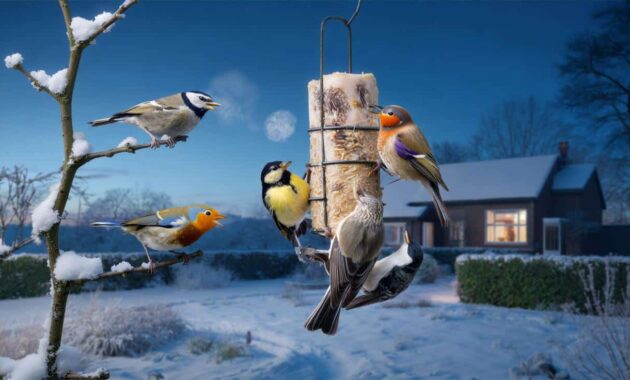
The best gesture you can offer on a freezing spell is simple. Hang a sturdy suet block, suet-filled coconut shell, or proper fat balls near a hedge or tree, somewhere birds can retreat quickly. Replace them as they’re eaten, especially right before a cold front. You don’t need a huge budget or fancy equipment. Just concentrated fat, up and accessible, every single day.
Most of us start by tossing out old bread or bargain-bin “winter mix” and hoping that’s enough. We’ve all been there, that moment when you scrape a plate and feel virtuous throwing crumbs into the garden. The birds come, they nibble, you feel like you’ve done your bit.
But bread is mostly air and starch. Cheap fat balls often contain more filler than real fat, and sometimes even harmful additives or salt. Let’s be honest: nobody really reads the tiny label on the bag in the hardware store. That’s how many people end up feeding birds a kind of junk food right when they need premium fuel.
“On the coldest nights, fat is literally life,” explains a volunteer at a small wildlife rescue centre. “The birds that arrive here weak are almost always the ones that haven’t had access to high-energy food. Give them suet, and you can see the difference in just a few hours.”
- Choose pure fat-based feeds
Look for suet blocks, suet pellets, or fat balls with a high fat content and visible seeds, oats, or nuts. - Avoid salty or seasoned kitchen scraps
Bacon fat, salted peanuts, or anything spiced can dehydrate or poison birds over time. - Place feeders wisely
Hang fat feeders close to cover (hedges, shrubs, trees) so birds can escape predators between bites. - Keep portions steady
Refill small amounts often rather than one huge feast; fresh fat is more appealing and safer. - Support late-afternoon feeding
Top up suet and fat around 3–4 p.m. so birds tank up before heading to roost.
Sharing a winter patrol with the birds
Once you start paying attention, winter feeding becomes a sort of quiet patrol. You glance at the sky, feel the sharpness of the air, and automatically check the level of suet in the feeder. On very cold afternoons, you might find yourself stepping outside with numb fingers just to hang one more fat ball before the light disappears.
*You begin to notice who arrives first, who argues over the best spot, who stuffs themselves furiously right before dark.* In that dance of feathers, you can almost read the story of who will make it through the night and who is on the edge. It’s strangely grounding to realise your small gesture has real weight.
| Key point | Detail | Value for the reader |
|---|---|---|
| Prioritise fat-based foods | Suet, tallow, and quality fat balls offer dense, long-burning energy | Boosts birds’ chances of surviving freezing nights in your garden |
| Feed at the right moments | Morning and late afternoon top-ups support daily activity and night survival | Turns casual feeding into genuinely life-saving help |
| Avoid harmful scraps | Bread, salty leftovers, and processed fats can weaken or harm birds | Prevents well-meant habits from quietly doing damage |
FAQ:
- Question 1What exactly is suet, and is it different from regular fat balls?
- Answer 1Suet is raw, hard fat from around a cow’s or sheep’s kidneys. It’s pure, dense energy. Good fat balls are based on suet or similar fats, but cheaper ones are bulked out with flour and filler, which lowers their energy value.
- Question 2Can I use my own cooking fat from roasts or frying?
- Answer 2You can use small amounts of unsalted, unseasoned fat, mixed with seeds or oats and allowed to set. Avoid anything with salt, gravy, spices, or meat juices, as these can be dangerous or cause disease.
- Question 3Is bread really that bad for birds in winter?
- Answer 3Occasional small bits won’t kill them, but bread is low in nutrients and very filling. Birds feel “full” without getting the fat and vitamins they need, which is risky in freezing weather.
- Question 4Do birds become dependent on my feeder and lose their wild instincts?
- Answer 4No. Garden birds keep foraging naturally even when they use feeders. Your food is a supplement, not their only source, especially crucial in extreme cold or snow.
- Question 5How long should I keep offering fat-based food each year?
- Answer 5Start when temperatures regularly drop close to freezing and continue until early spring. Once insects and natural food return, you can gently reduce suet and switch to lighter seed mixes.