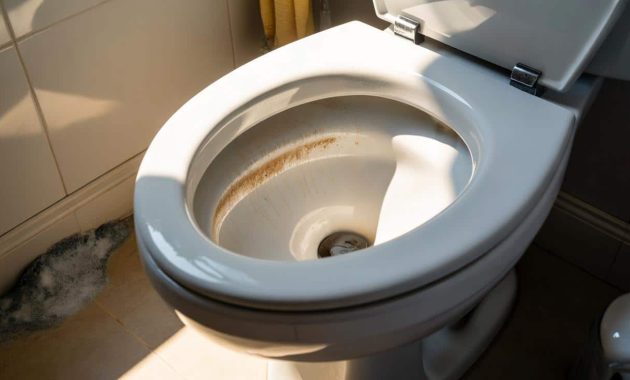
It was supposed to be a sparkling, spotless bathroom. I had scrubbed, disinfected, and cleaned until every surface gleamed. But as I examined the toilet bowl more closely, I realized that all was not as it seemed. Beneath the pristine surface, a hidden layer of grime and bacteria lurked, mocking my attempts at true cleanliness.
How could this be? I had followed all the usual cleaning rituals – the blue toilet cleaner, the vigorous scrubbing, the disinfectant wipes. Yet, as I peered deeper, the truth became painfully clear: my toilet was not as clean as I had believed. It was time to uncover the invisible dirt that my eyes had missed.
The Sneaky Buildup of Toilet Grime
Toilets are used frequently, and the constant exposure to water, waste, and cleaning products can lead to a gradual buildup of grime and scale. This accumulation happens slowly, often going unnoticed by the naked eye. Even when the surface appears clean, the inner workings of the toilet can harbor a surprising amount of dirt and bacteria.
The culprit behind this insidious grime? A combination of mineral deposits, soap scum, and microscopic particles that cling to the porcelain. Over time, these contaminants can create a stubborn film that resists even the most rigorous scrubbing.
As a result, your “clean” toilet may be harboring a hidden layer of filth, putting your health and hygiene at risk. It’s a sobering realization, but one that can be addressed with the right approach.
The Surprising Dangers of an Unclean Toilet
A dirty toilet doesn’t just look unpleasant; it can also pose serious health risks. The buildup of grime and bacteria in the toilet bowl can harbor harmful microorganisms, including E. coli, salmonella, and even strains of the influenza virus.
These pathogens can be easily spread through aerosolized particles, known as “toilet plume,” which are released every time the toilet is flushed. Breathing in these microscopic droplets can lead to respiratory infections, gastrointestinal issues, and other unpleasant ailments.
Beyond the immediate health concerns, an unclean toilet can also contribute to a wider range of problems. Mineral deposits and scale can clog pipes, leading to costly plumbing repairs. The unsightly appearance of a dirty toilet can also detract from the overall cleanliness and aesthetic of your bathroom.
Revealing the Hidden Dirt with a Black Light
The key to truly understanding the cleanliness of your toilet lies in using a simple tool: a black light. This ultraviolet light can expose the invisible grime that your eyes have been missing, shedding light on the true state of your toilet’s hygiene.
When you shine a black light on the toilet bowl, any residual dirt, urine, and bacteria will become glaringly obvious. Areas that appear clean under regular lighting may suddenly reveal a hidden layer of filth, glowing in the ultraviolet illumination.
This eye-opening exercise can be a wake-up call, spurring you to rethink your cleaning routine and take more aggressive steps to ensure your toilet is genuinely spotless. Armed with this knowledge, you can target the problem areas and develop a more effective cleaning strategy.
The Proper Way to Clean a Toilet
| Step | Action |
|---|---|
| 1. Lift the Lid | Start by lifting the toilet lid and examining the entire surface, including the rim and under the seat. |
| 2. Apply Cleaner | Apply a generous amount of toilet cleaner to the bowl, making sure to cover all the surfaces, including the rim and under the rim. |
| 3. Scrub Thoroughly | Use a toilet brush to scrub the entire bowl, paying special attention to the areas where grime tends to accumulate, such as the waterline and under the rim. |
| 4. Disinfect | Spray or wipe down the exterior of the toilet, including the tank, seat, and base, with a disinfectant cleaner. |
| 5. Flush and Inspect | Flush the toilet and examine the bowl under bright lighting or a black light to ensure all traces of dirt and bacteria have been removed. |
By following this comprehensive cleaning routine, you can ensure that your toilet is not just visually clean, but truly hygienic and free of hidden grime. Remember to repeat this process regularly to maintain a sparkling, bacteria-free bathroom.
“Proper toilet cleaning is essential for maintaining a healthy and sanitary living environment. Many people overlook the hidden dangers of an unclean toilet, putting their family’s well-being at risk.”
– Dr. Emily Walters, Infectious Disease Specialist
Preventing Toilet Grime Buildup
While regular cleaning is crucial, there are also proactive steps you can take to prevent the buildup of grime and scale in your toilet. By implementing these strategies, you can maintain a consistently clean and well-functioning toilet, reducing the need for intensive scrubbing.
One effective method is to regularly flush the toilet with a vinegar-based solution. The acidity in vinegar helps to break down mineral deposits and soap scum, keeping the bowl and inner workings free of buildup. You can also try using a pumice stone to gently scrape away stubborn stains and deposits.
Additionally, consider upgrading to a toilet with a self-cleaning feature. These advanced models use specialized coatings or automatic flushing mechanisms to minimize the accumulation of grime, making your cleaning routine much easier and more effective.
“Preventing toilet grime is all about being proactive. By incorporating regular maintenance and investing in the right tools, you can keep your toilet sparkling clean with minimal effort.”
– Sarah Atkinson, Cleaning Expert
The Unexpected Benefits of a Truly Clean Toilet
Achieving a truly clean toilet goes beyond just aesthetic appeal. When your toilet is free of hidden grime and bacteria, you can enjoy a range of unexpected benefits that extend beyond the bathroom.
For one, a clean toilet can contribute to improved indoor air quality. By eliminating the source of unpleasant odors and potential airborne pathogens, you create a fresher, healthier environment for your family to breathe in.
Furthermore, a well-maintained toilet can have a positive impact on your plumbing system. Removing mineral buildup and scale helps to prevent clogs and maintains the efficient functioning of your pipes, potentially saving you from costly repairs down the line.
Most importantly, a consistently clean toilet protects your family’s health by reducing the risk of illness-causing bacteria and viruses. This peace of mind can be invaluable, especially in the current climate of heightened hygiene awareness.
“A truly clean toilet is not just about appearances; it’s about creating a safer, healthier living environment for you and your loved ones. The benefits extend far beyond the bathroom itself.”
– Lisa Huang, Public Health Researcher
Embracing the Challenge of a Spotless Toilet
Achieving a spotlessly clean toilet may seem like an impossible task, but it’s a worthy pursuit with far-reaching benefits. By recognizing the hidden dangers of an unclean toilet and adopting a more thorough cleaning approach, you can transform your bathroom into a true oasis of hygiene and cleanliness.
Remember, the key lies in not just surface-level cleaning, but in delving deeper to uncover and eliminate the invisible grime that can harbor harmful bacteria. Embrace the use of tools like black lights to reveal the true state of your toilet, and be prepared to put in the extra effort required to achieve a truly spotless result.
While the journey to a spotless toilet may seem daunting, the rewards are well worth it. A clean, hygienic bathroom not only enhances the overall appearance of your home but also safeguards the health and well-being of your family. So, take the plunge and embark on a quest for toilet perfection – your future self will thank you.
FAQ
How often should I clean my toilet?
Ideally, you should clean your toilet at least once a week, if not more frequently, depending on usage. This will help prevent the buildup of grime and maintain a high level of hygiene.
What’s the best way to clean the toilet rim and under the seat?
Use a toilet brush or a small cleaning cloth to reach these hard-to-access areas, making sure to scrub thoroughly. You can also try using a cleaning wand with a curved head to get into the nooks and crannies.
Can I use a black light to check other surfaces in my home?
Absolutely! A black light can be a valuable tool for revealing hidden dirt and grime in various areas of your home, such as kitchen countertops, carpets, and even bedding. Use it to identify problem spots that require extra attention during your cleaning routine.
How can I prevent future toilet grime buildup?
In addition to regular cleaning, consider using a toilet cleaner with a built-in limescale remover, flushing with vinegar, and investing in a self-cleaning toilet model. Proper maintenance can go a long way in keeping your toilet consistently clean.
Is it safe to use strong chemical cleaners in the toilet?
While strong chemical cleaners can be effective in removing stubborn grime, it’s important to use them with caution and follow the manufacturer’s instructions carefully. Ventilate the area well and avoid mixing different cleaning products, as this can release harmful fumes.
How can I tell if my toilet is truly clean?
After cleaning, inspect the toilet bowl under bright lighting or with a black light. If you still see any traces of grime or discoloration, it’s a sign that you need to revisit your cleaning method or use a more powerful cleaner.
Can a dirty toilet affect my home’s resale value?
Yes, the overall cleanliness and condition of your toilet can impact the perceived value of your home. Potential buyers will often scrutinize the bathroom, and a sparkling, well-maintained toilet can be a selling point.
How can I get rid of tough stains in the toilet bowl?
For stubborn stains, try using a pumice stone or a toilet cleaner with abrasive properties. Avoid scrubbing too hard, as this can damage the toilet’s surface. You can also let the cleaner sit for a few minutes before scrubbing to allow it to work its magic.