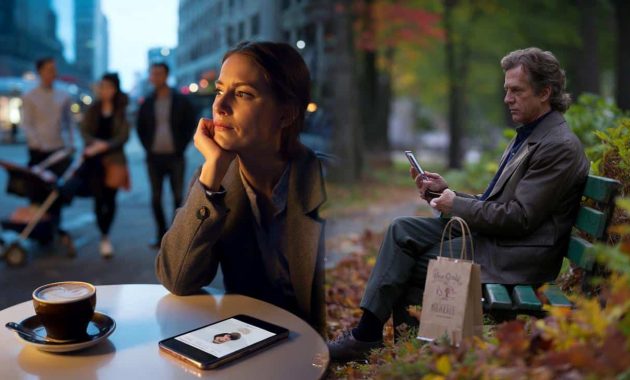
Navigating the complexities of love is a universal human experience that evolves with each passing decade. While some may find their soulmate in their 20s, others struggle to find lasting connection well into their 50s and beyond. Surprisingly, research points to two specific ages when the search for love becomes particularly arduous: around 30 and after 50.
The pressure to settle down and start a family often reaches a fever pitch as the big 3-0 approaches. Meanwhile, the post-50 crowd face the unique challenges of rebuilding their lives after divorce or the loss of a spouse. In both cases, the quest for companionship can feel daunting, fraught with insecurities and social stigmas.
Yet, with the right mindset and strategies, these so-called “love deserts” can be navigated. By understanding the psychological and practical hurdles at each stage, singles can approach dating with more self-compassion and clarity. The path to lasting love may be winding, but it’s one worth traversing, no matter your age.
Why Love Suddenly Feels Urgent Around 30
As the milestone birthday looms, many find themselves swept up in a whirlwind of social pressure and biological clocks. “There’s this sense that time is running out, both in terms of fertility and finding a life partner,” explains Dr. Samantha Burns, a couples counselor and dating coach.
This heightened sense of urgency can lead to hasty decisions and unrealistic expectations. “People start to panic and make choices they wouldn’t normally make, just to check the marriage and kids box,” says Burns. “But that rarely leads to lasting fulfillment.”
The desire to achieve the “traditional” milestones of adulthood by 30 also creates a media-fueled FOMO (fear of missing out). “We’re inundated with lovey-dovey social media posts and fairytale wedding photos,” notes Burns. “It can make single people feel left behind or deficient in some way.”
After 50: When Reconstruction Meets Romance
For those entering the second half of life, the search for love can feel like uncharted territory. Many are navigating the aftermath of divorce or the death of a spouse, leaving them to rebuild both their personal and romantic lives.
“There’s a lot of grief and loss that people have to work through,” explains Dr. Jenn Mann, a licensed marriage and family therapist. “They’re not just dating, they’re also reconstructing their entire identity and support system.”
The practical challenges can be daunting as well. Balancing careers, childcare responsibilities, and financial obligations leaves little time or energy for the dating scene. “It’s a lot of emotional and logistical work,” says Mann. “No wonder so many people in this age group feel overwhelmed by the prospect of finding a new partner.”
The Media Gap: Love Stories That Stop at 40
Another factor contributing to the difficulties of love after 30 and 50 is the lack of relatable representation in mainstream media. “We’re bombarded with romantic narratives that end at the altar or with a happily-ever-after,” observes Burns. “But real life doesn’t always work out that way.”
The stories we consume shape our expectations and perceptions of dating and relationships. When older singles don’t see their experiences reflected, it can reinforce feelings of isolation and inadequacy.
“There’s this unspoken assumption that love and romance are reserved for the young,” laments Mann. “But the truth is, people of all ages are seeking connection, intimacy, and companionship. We need to expand our cultural understanding of what a fulfilling relationship looks like.”
Practical Ways to Date More Calmly at 30 and 50+
While the challenges of finding love in your 30s and 50s are real, there are strategies to approach the dating journey with more self-compassion and clarity.
“It’s important to let go of the timeline and societal pressures,” advises Burns. “Focus on your own needs and desires, rather than trying to fit someone else’s mold of what your life ‘should’ look like.”
Mann also recommends prioritizing self-care and personal growth. “Invest in activities and relationships that nourish you as an individual. That way, you’re coming to the dating world from a place of wholeness, not neediness.”
Overcoming the Stigma of Being Single
Perhaps one of the biggest hurdles to finding love later in life is the persistent stigma surrounding singleness. “There’s this pervasive belief that if you’re not coupled up by a certain age, there must be something ‘wrong’ with you,” laments Burns.
This societal judgment can erode self-confidence and make people feel ashamed of their relationship status. “We have to actively challenge those toxic narratives,” urges Mann. “Being single is not a failure or a character flaw — it’s simply a different path.”
By reframing singleness as a valid and fulfilling way of being, older singles can approach the dating world with more self-assurance and openness. “The right partner will appreciate you for who you are, not judge you for what you ‘haven’t’ accomplished,” affirms Burns.
Cultivating a Growth Mindset
Perhaps one of the most powerful tools for navigating the challenges of love at 30 and beyond is a growth mindset. “Instead of seeing setbacks as failures, reframe them as opportunities to learn and improve,” suggests Mann.
This resilient perspective allows people to approach dating with more flexibility and self-compassion. “It’s not about finding the ‘perfect’ partner — it’s about the journey of self-discovery and growth,” explains Burns.
By nurturing this mindset, singles can navigate the ups and downs of the dating world with more equanimity. “Trust that the right person will come along when the time is right,” affirms Mann. “In the meantime, focus on becoming the best version of yourself.”
The Power of Community
While the search for love can feel isolating, tapping into supportive communities can make all the difference. “Surround yourself with friends and family who uplift you and validate your worth, regardless of your relationship status,” advises Burns.
Mann also emphasizes the importance of finding like-minded groups, whether it’s a hobby-based meetup, a support group for divorcees, or an online dating community. “Having that sense of belonging and shared experience can be a game-changer,” she says.
By cultivating a strong support system, singles can navigate the emotional ups and downs of dating with more resilience and self-assurance. “You don’t have to go through this alone,” affirms Burns. “Lean on your loved ones, and don’t be afraid to ask for help when you need it.”
| Key Factors Contributing to Love’s Difficulty at 30 and 50+ | Around 30 | After 50 |
|---|---|---|
| Societal Pressures | Expectations to settle down and start a family | Societal stigma surrounding singleness later in life |
| Biological Clocks | Heightened sense of urgency around fertility | N/A |
| Emotional Baggage | N/A | Navigating grief, loss, and identity reconstruction after divorce or widowhood |
| Practical Challenges | N/A | Balancing careers, childcare, and financial obligations |
| Media Representation | Lack of relatable love stories beyond the 20s and 30s | Lack of relatable love stories beyond the 20s and 30s |
“There’s this sense that time is running out, both in terms of fertility and finding a life partner. People start to panic and make choices they wouldn’t normally make, just to check the marriage and kids box.”
Dr. Samantha Burns, Couples Counselor and Dating Coach
“There’s a lot of grief and loss that people have to work through. They’re not just dating, they’re also reconstructing their entire identity and support system.”
Dr. Jenn Mann, Licensed Marriage and Family Therapist
“We’re bombarded with romantic narratives that end at the altar or with a happily-ever-after. But real life doesn’t always work out that way.”
Dr. Samantha Burns, Couples Counselor and Dating Coach
The search for love is a universal human experience, but it’s one that evolves with each passing decade. By understanding the unique challenges faced by those in their 30s and 50s, we can cultivate more empathy, resilience, and self-compassion on the journey to finding lasting connection.
Why does love suddenly feel so urgent around 30?
As the big 3-0 approaches, many people feel a heightened sense of urgency to settle down and start a family. This is driven by both societal pressures and biological clocks, leading to hasty decisions and unrealistic expectations.
What makes dating after 50 so challenging?
Older singles often have to navigate the emotional and practical challenges of rebuilding their lives after divorce or the loss of a spouse. From grief and identity reconstruction to balancing careers and childcare, the dating journey can feel overwhelming.
Why don’t we see more love stories featuring older protagonists?
The media landscape is dominated by romantic narratives that tend to stop at the altar or with a happily-ever-after ending. This lack of relatable representation reinforces the societal assumption that love and romance are reserved for the young.
How can people in their 30s and 50s approach dating with more self-compassion?
Key strategies include letting go of societal timelines and pressures, prioritizing self-care and personal growth, challenging the stigma around singleness, and cultivating a growth mindset. Surrounding oneself with a supportive community can also make a significant difference.
What are some key differences in the challenges faced by 30-somethings and 50-somethings when it comes to finding love?
While both age groups contend with societal pressures and lack of relatable media representation, 30-somethings are more preoccupied with biological clocks and the rush to start a family, while 50-somethings often grapple with the emotional and practical challenges of rebuilding their lives after divorce or widowhood.
How can people in their 30s and 50s overcome the stigma of being single?
By actively challenging the toxic narratives that equate singleness with failure or character flaws, older singles can approach the dating world with more self-assurance and openness. Reframing singleness as a valid and fulfilling way of being is key to overcoming societal judgment.
What role does a growth mindset play in navigating the challenges of love at 30 and beyond?
Adopting a growth mindset allows people to view setbacks as opportunities for learning and self-improvement, rather than failures. This resilient perspective enables singles to approach the dating journey with more flexibility, self-compassion, and trust in the process.
How can the power of community support those seeking love in their 30s and 50s?
Surrounding oneself with a supportive network of friends, family, and like-minded groups can make a significant difference. Having a sense of belonging and shared experience can provide the emotional validation and practical resources needed to navigate the ups and downs of the dating world.
Originally posted 2026-02-17 23:05:33.